Since creation, faith and culture have shaped how people come to terms with life, purpose, and truth. In every society, belief systems are filtered through local traditions and worldviews, creating unique expressions of faith. For missionaries, this is a challenge but also a great calling to communicate the gospel in ways that honor culture, while remaining faithful to Scripture.
In Papua New Guinea (PNG), where hundreds of languages and customs define daily life, bridging the gap between faith and culture requires more than just language translation. It also requires cultural immersion, patience, and genuine relationships. For nearly two decades, To Every Tribe missionaries Alex and Kelley Sisson have learned that the most effective ministry begins not with changing people’s way of life but with walking beside them. Their experiences reveal that the gospel takes root most deeply when shared through understanding, humility, and trust built over time.
In the early stages of their ministry, Alex and Kelley explained that “everything was a cultural gap.” Even simple actions would carry different perspectives, such as men and women sitting on opposite sides of the church or men holding hands with other men as a gesture of friendship. They found the best way to bridge these gaps was to immerse themselves in daily interactions. This also includes finding universal commonalities—practices that look different across traditions but share the same underlying human meaning. Alex and Kelley dove headfirst into building intentional relationships with the people of PNG and learning their language.
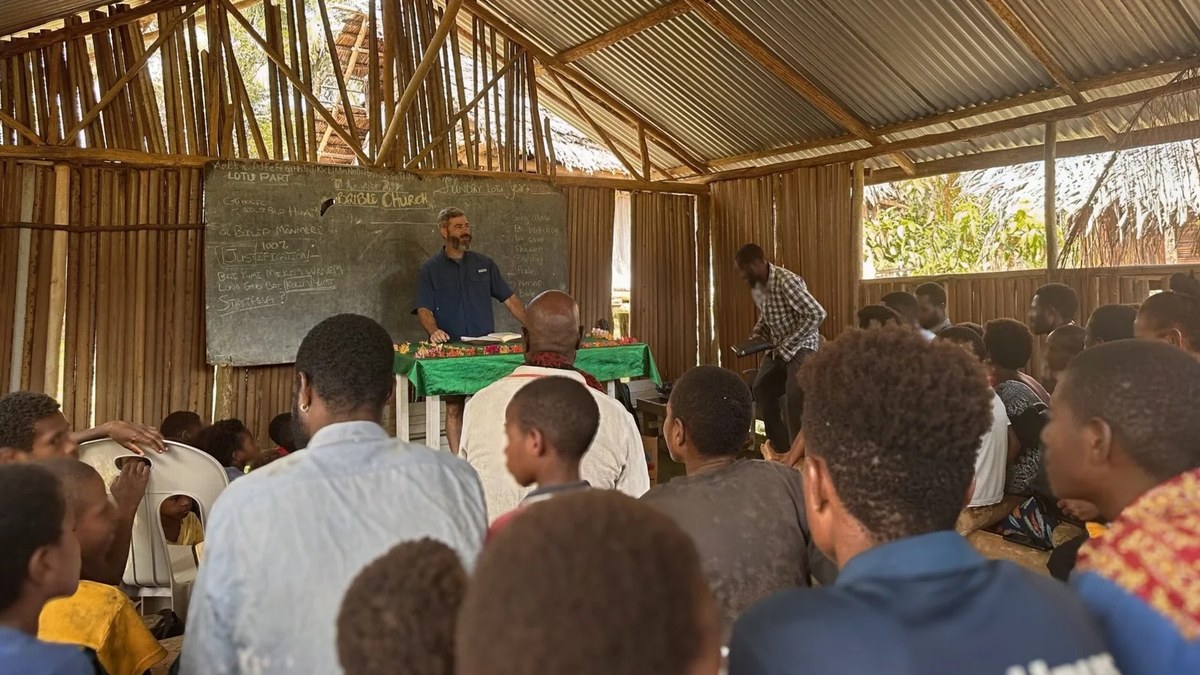
Teaching in cross-cultural ministry demands patience rooted in understanding. In PNG, language, worldview, and daily life differ greatly from Western norms, and spiritual growth unfolds slowly and relationally. Alex and Kelley learned to teach not through urgency but through a slow and steady pace. They found that a more interactive style of learning has been most beneficial. For PNG, they found most of the groups they serve with have an idea of certain theological concepts but have never associated them with a specific word. This is why breaking things down is a necessity to sharing the gospel for true understanding. For PNG or similar areas, patient teaching is not a delay in progress, but the very process by which transformation becomes genuine and lasting.
Alex and Kelley serve as the field leaders in PNG, overseeing ministry efforts that center around the platform community of Goroka. This region functions as their primary source of operations, a hub for training, outreach, and discipleship. From Goroka, they coordinate ministry efforts and resources to reach surrounding areas, building relationships and strengthening local believers through consistent presence and teaching.
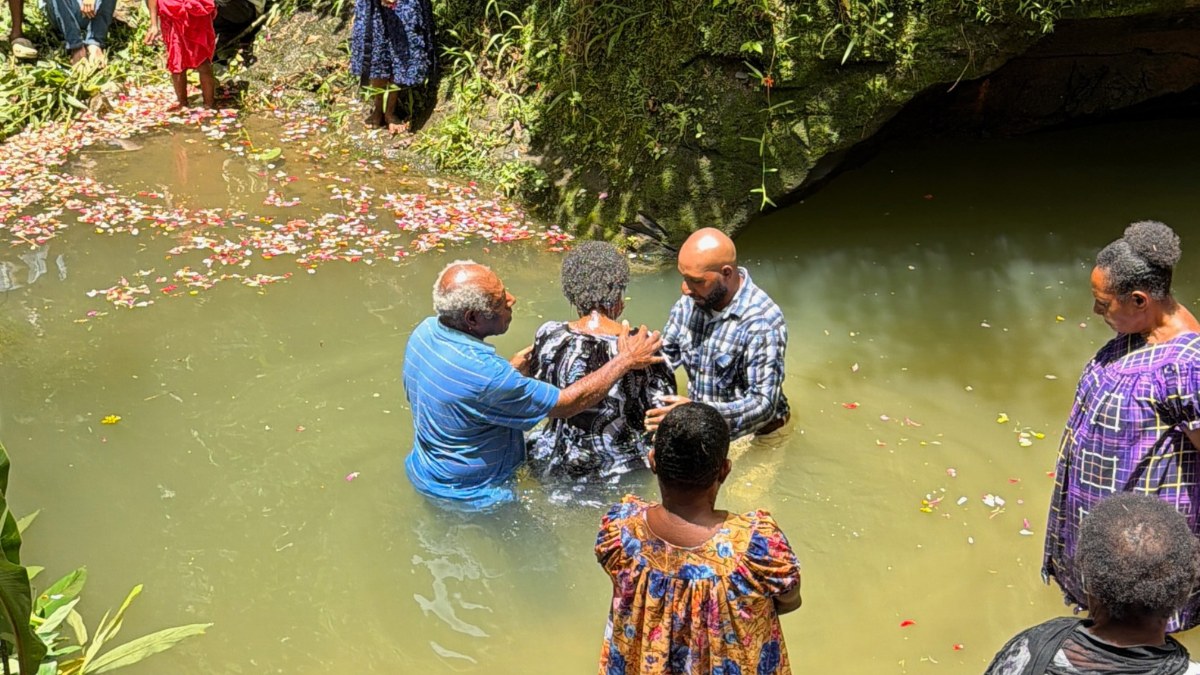
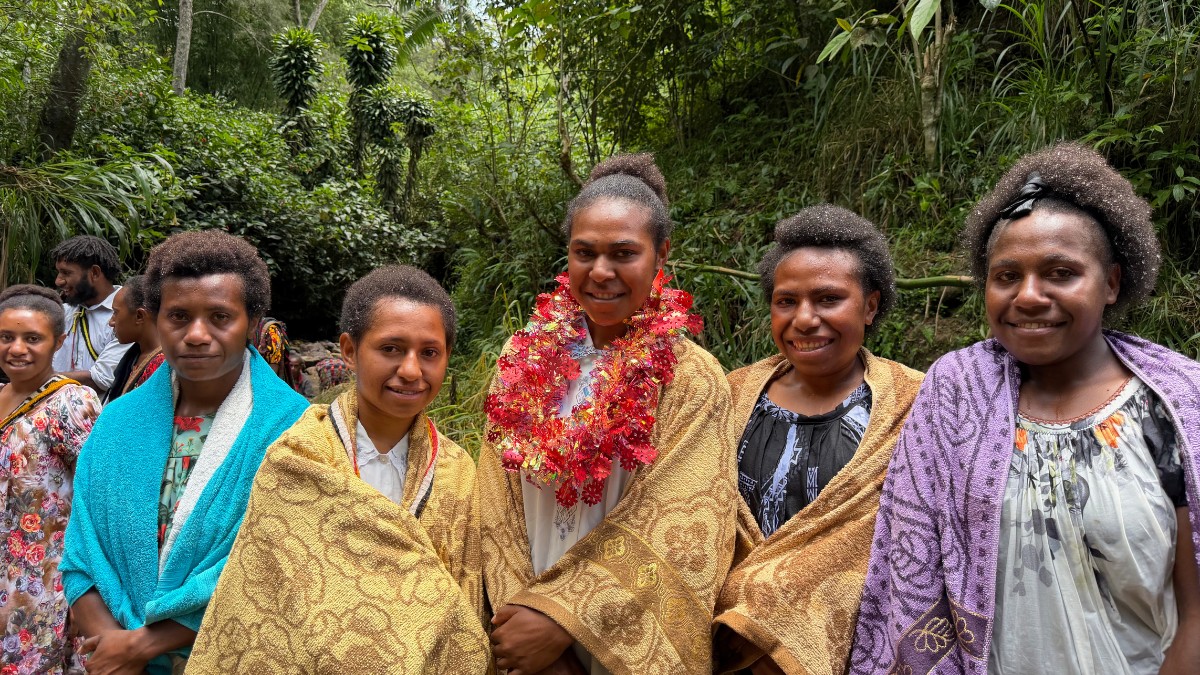
Outside of Goroka, the Sissons have extended their ministry into two remote communities: Village S and Village G. These locations represent the heart of pioneering work, where the goal is to establish self-sustaining churches from the ground up. Village G has begun to see growth, with a small but faithful group of about one dozen believers, while Village S remains unreached, a community still waiting for the gospel to take root. The Sissons trust that patient investment and prayer will one day yield lasting fruit in both villages.
The phases of ministry are not limited to local churches alone, but also focus on cultivating long-lasting, healthy communities. Communication and trust play a vital role in this process as missionaries work to empower local leaders to be bold and hold on to the truth of the gospel. A key part of this journey for Alex and Kelley is being a constant learner, adapting to cultural differences, listening before leading, and allowing experience to shape new approaches.
The heart behind the ministry in PNG is not for missionaries to take on every role of leading and teaching, but to equip and train local pastors and leaders to support and sustain their own churches. Alex and Kelley’s focus is on discipleship that multiplies into leadership: teaching others how to equip, guiding them to take ownership of their faith in their communities, and encouraging them to lead with confidence that only comes from the Lord. By investing deeply in training and mentorship, the missionaries help create a foundation where local believers can one day lead entirely on their own, continuing the work of the gospel with strength and authenticity.
Building sustainability also means investing in both physical needs and people, training leaders who can eventually send others out to serve not just within the region but globally. The hope and prayer is to see believers grow into self-supporting leaders who carry the gospel forward with confidence and cultural understanding. The regional approach to church planting in PNG is creating communities that thrive in both faith and fellowship.